SodaTide Ingredients: A Closer Look at Every Active Ingredient
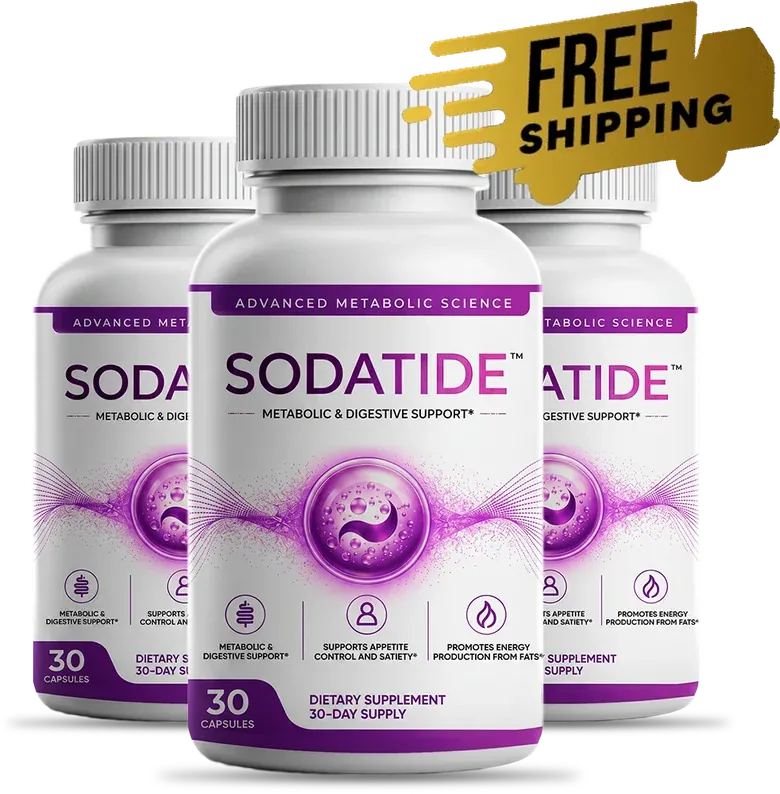
SodaTide's formula is built from five named active ingredients. Rather than relying on vague "proprietary blend" language, the label identifies each ingredient individually. This article walks through every one of them, explaining what each is and why it's included.
Chicory Root Inulin — 211 mg
Inulin is a naturally occurring plant fiber found in several vegetables and roots, with chicory root as a common commercial source. It belongs to a group of carbohydrates not fully digested in the small intestine. Certain microorganisms in the large intestine can ferment inulin, which is why it's a frequent choice in prebiotic formulations. In SodaTide, it's the largest single ingredient by weight, forming the backbone of the fiber component.
Potato Resistant Starch — 100 mg
Resistant starch resists digestion in the small intestine and is found naturally in various starchy foods, including potatoes. Like inulin, some of it reaches the large intestine where it may be fermented. Including a second, structurally distinct fiber source broadens SodaTide's fermentable fiber profile beyond a single ingredient type. Both fiber ingredients are explained further on the main SodaTide ingredients page.
The Three-Species Probiotic Blend — 36 mg
SodaTide's probiotic component combines three named bacterial species rather than a single strain.
Bifidobacterium infantis
A species within the Bifidobacterium group, naturally associated with the human gastrointestinal environment and frequently investigated in digestive health research.
Clostridium butyricum
Known for its association with butyrate production — a short-chain fatty acid formed during fermentation that researchers study in connection with the intestinal environment. This is also discussed in relation to SodaTide and Metabolic Wellness: What You Need to Know.
Akkermansia muciniphila
Associated with the mucus layer of the intestinal tract. Researchers are investigating its relationship with the gut barrier and metabolic processes, making it one of the more actively studied microorganisms in current gut microbiome literature.
The supplied label identifies the combined probiotic blend as 36 mg total but does not disclose individual species amounts, strain codes, or CFU (colony-forming unit) counts — a common limitation across many combined-blend supplements.
Other Ingredients
Beyond the active ingredients, SodaTide capsules contain:
- Hypromellose — used for the vegetarian capsule shell
- Microcrystalline cellulose — a common formulation aid
- Magnesium stearate — assists in manufacturing consistency
- Silica — helps prevent ingredient clumping during production
How the Ingredients Fit Together
SodaTide's formula reflects a simple logic: pair fermentable fibers with named microorganisms that researchers associate with gut fermentation activity. This design is explained step by step in How Does SodaTide Work? The Formula Mechanism Explained.
Serving Information
The supplied instructions recommend one capsule daily with approximately eight ounces of water, ideally in the morning before a meal, with refrigeration recommended after opening. Each bottle supplies 30 capsules — a one-month supply at this serving rate.
Final Thoughts on the SodaTide Formula
Compared to supplements that hide their probiotic content behind generic "blend" labeling, SodaTide names all three species directly. Whether that formula is the right fit depends on your own wellness goals — see what other users say on the SodaTide reviews article, or review the full official formula on the official SodaTide page.
Frequently Asked Questions
SodaTide lists five active ingredients: two fiber sources and three named probiotic species.
No, the supplied label lists the combined 36 mg probiotic blend but not individual CFU counts.
The SodaTide capsule shell uses hypromellose, making it a vegetarian capsule.