SodaTide and Metabolic Wellness: What You Need to Know
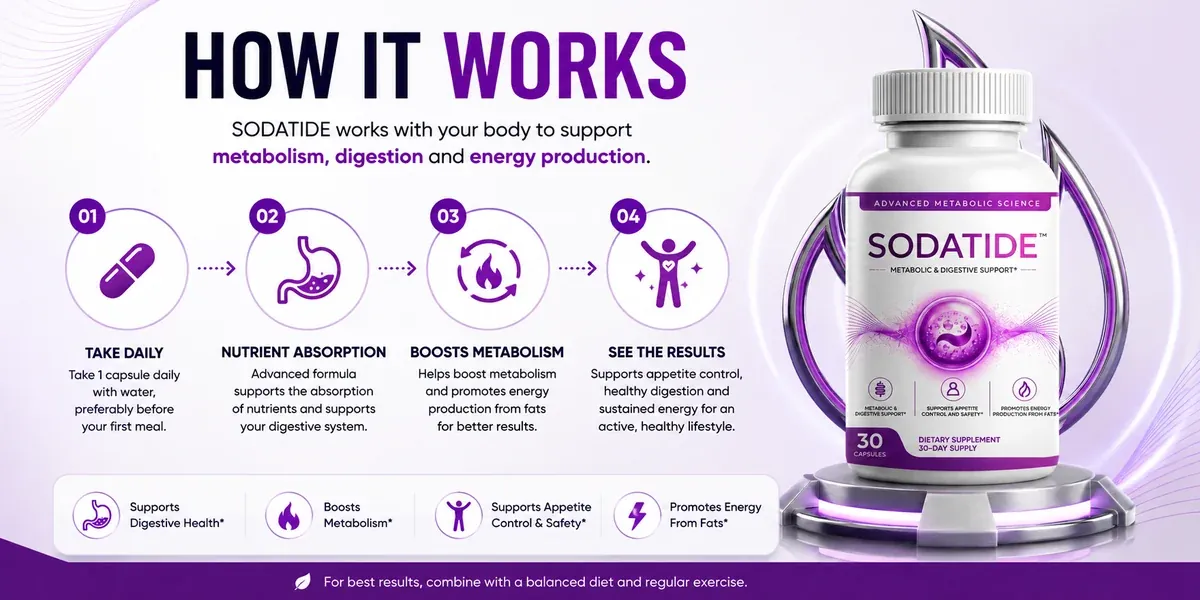
SodaTide is marketed partly in the metabolic wellness category. This article explores what that connection actually means, based on the ingredients involved and current gut microbiome research — without overstating what the finished product has been shown to do.
What "Metabolic Wellness" Means in This Context
Metabolism describes the processes the body uses to convert and manage energy. In recent years, researchers have increasingly studied how gut microorganisms relate to these metabolic processes — a research area still developing, but one that has shaped how products like SodaTide are formulated and marketed.
The Butyrate Connection
One of SodaTide's three named probiotic species, Clostridium butyricum, is specifically studied for its association with butyrate production. Butyrate is a short-chain fatty acid formed when certain gut microorganisms ferment suitable nutrients — including the fiber ingredients found in SodaTide. Scientists continue to study butyrate's relationship with the intestinal environment and, by extension, broader metabolic activity. The full fermentation pathway is explained in How Does SodaTide Work? The Formula Mechanism Explained.
Akkermansia muciniphila and Metabolic Research
SodaTide's inclusion of Akkermansia muciniphila is also relevant here. This microorganism, associated with the intestinal mucus layer, has received particular scientific attention in recent years specifically because of its studied relationship with the gut barrier and metabolic processes. It's one of the more actively researched microorganisms in current microbiome science — see the full ingredient profile on the SodaTide ingredients page.
Fiber's Role in the Metabolic Picture
Dietary fiber research also intersects with metabolic wellness, particularly around appetite and satiety. Some fiber types have been studied for their potential relationship with fullness after eating, which connects to SodaTide's marketing around appetite support. This is covered in more depth in SodaTide Benefits: What Gut Wellness Support Really Looks Like.
What the Research Does Not Establish
It's important to separate general scientific interest from specific product claims. The supplied SodaTide product information does not establish that the finished, combined formula changes metabolism, produces weight loss, or treats any metabolic condition. Much of the available research applies to the individual ingredients studied in isolation — not necessarily to SodaTide as a finished product taken daily.
A Realistic Way to Think About It
SodaTide sits at the intersection of two well-studied research areas — prebiotic fiber fermentation and probiotic microbiome science — both of which have documented, if still-developing, connections to metabolic wellness. The formula brings together ingredients relevant to that research rather than making direct metabolic claims itself.
Who Might Be Interested in This Angle
Adults already interested in gut-microbiome-focused wellness, and who want a formula that reflects current research interest in the fiber-metabolism-microbiome relationship, may find SodaTide's ingredient profile relevant. As always, those managing a diagnosed metabolic condition should consult a healthcare professional rather than relying on a supplement alone.
Learn More
For the complete ingredient breakdown behind this research connection, see SodaTide Ingredients: A Closer Look at Every Active Ingredient, or review full pricing and guarantee terms on the official SodaTide page. You can also see what other users say on the SodaTide reviews article.
Frequently Asked Questions
No. SodaTide is marketed in the metabolic wellness category based on its ingredients' research associations, not as a direct metabolism-boosting claim.
Clostridium butyricum, due to its studied association with butyrate production during fiber fermentation.
No. Those managing a diagnosed metabolic condition should consult a healthcare professional rather than relying on a supplement alone.